
What Makes a Spa Feel So Relaxing? It's All in the Design

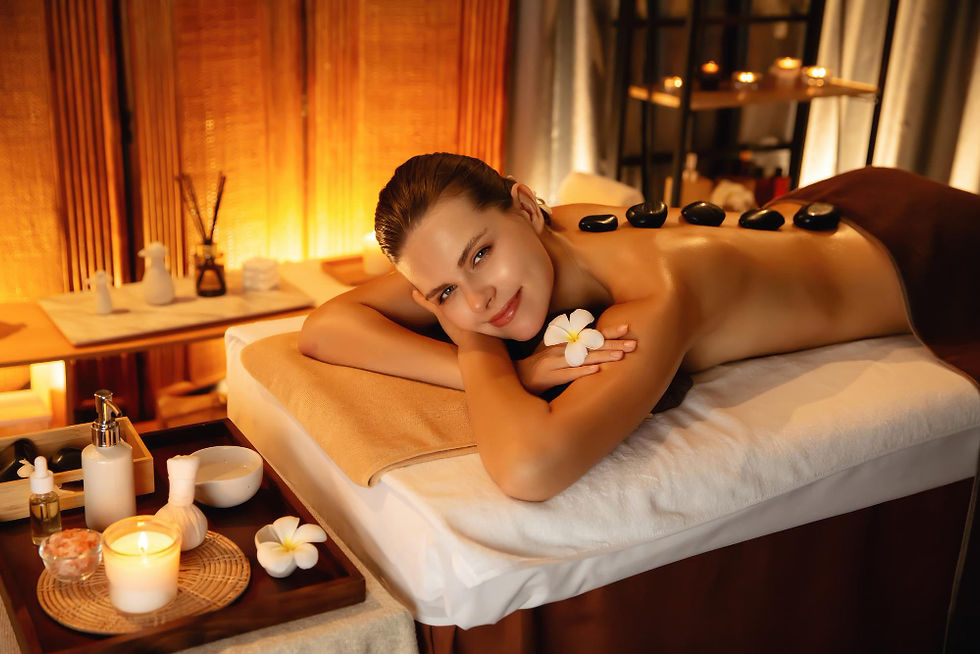
Walk into a well-designed spa, and something changes almost immediately. Conversations become quieter, your breathing slows, the urge to check your phone fades. Even before a treatment begins, the space itself seems to encourage you to slow down. That feeling isn't accidental.
Every detail inside a thoughtfully designed spa is carefully considered, from the way natural light enters the room to the texture of the walls, the sound of flowing water, and even the distance between different spaces. While therapists and wellness treatments play an important role, the environment often starts the relaxation process long before a massage or facial begins.
Good spa design isn't about making a place look beautiful. It's about making people feel different.
The Best Spa Designs Appeal to Every Sense
Most interior spaces are designed primarily for the eyes. A spa is different because it engages all five senses at once. Lighting is usually soft rather than harsh. Natural materials such as stone, wood, linen, and textured plaster create warmth and authenticity. Gentle background sounds replace the noise of traffic and conversations. Carefully selected scents help establish a calming atmosphere, while comfortable room temperatures allow the body to relax naturally.
These elements work together rather than competing for attention. Instead of stimulating visitors with bright colours and visual activity, spa environments reduce distractions. The result is a space where the mind has fewer reasons to remain alert, making it easier to transition into a calmer state. Design becomes part of the wellness experience itself.
Natural Materials Help People Feel Grounded
One reason many spas use stone, timber, water, and greenery is that these materials create a sense of familiarity. People instinctively respond to natural textures. The grain of wood, the smooth surface of stone, or the sound of water often feels more comforting than polished synthetic finishes. These materials age gracefully, develop character over time, and create spaces that feel authentic rather than manufactured.
This approach has influenced some of the world's best-known wellness destinations. Brands such as Woodhouse Spa have built their design philosophy around natural materials, local craftsmanship, and strong connections to the surrounding landscape. Similarly, the wellness spaces created by Canyon Ranch demonstrate how architecture and interior design can support relaxation alongside wellness programmes.
The lesson extends far beyond spas. Homes, offices, and hospitality spaces are increasingly adopting the same materials because they help create environments that feel warmer, calmer, and more welcoming.

The Journey Through a Spa Is Carefully Planned
Relaxing spaces are rarely random. A well-designed spa guides visitors through a sequence of experiences. Reception areas create a gentle introduction. Waiting lounges encourage people to slow down. Treatment rooms offer privacy and quiet. Relaxation lounges allow guests to return gradually to everyday life instead of feeling rushed. Even circulation plays an important role.
Hallways are often wider than necessary, transitions between rooms are smooth, and visual clutter is kept to a minimum. Many spas also use curved forms, soft edges, and layered lighting to create a feeling of comfort instead of urgency.
This careful choreography helps visitors feel at ease without consciously noticing why. Great design often works best when it becomes almost invisible.
Spa Design Is Influencing Everyday Interiors
The principles behind spa design are no longer limited to wellness centres. Architects and interior designers are bringing similar ideas into homes, workplaces, hotels, and residential developments. Bathrooms are becoming personal wellness spaces rather than purely functional rooms. Homeowners are introducing natural light, indoor plants, timber finishes, and calming colour palettes into living areas. Offices are incorporating quiet rooms, wellness lounges, and softer materials to support employee well-being.
Rather than creating environments that constantly demand attention, designers are exploring ways to reduce stress through thoughtful planning. As daily life becomes more connected and digitally demanding, many people are looking for interiors that offer moments of pause instead of constant stimulation. Spa design provides valuable inspiration because it has always prioritized how a space makes people feel.
Great Design Doesn't Just Look Good—It Changes How You Feel
Perhaps the most remarkable thing about a well-designed spa is that its success is rarely measured by appearance alone. People remember how rested they felt. How peaceful the environment seemed. How easy it was to disconnect from everyday pressures for a while. That emotional response is the true achievement of good design.
The same principles are beginning to influence homes, offices, hotels, and public spaces because people increasingly value environments that support comfort, focus, and well-being alongside aesthetics. Design has always shaped the way people live. Today, it is also shaping how people recover, recharge, and reconnect with themselves. The next generation of interiors may not simply be more beautiful, they may simply help us feel better.





Comments