
The Design Philosophy That Made Rado Instantly Recognizable

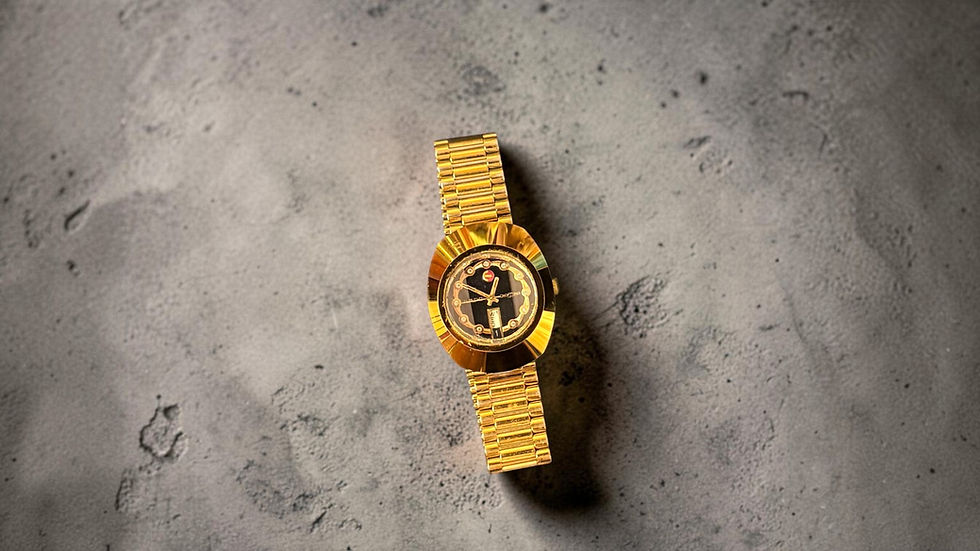
In the world of watchmaking, many brands are remembered for their history. Some are known for aviation. Others for diving, racing, or mechanical complications. Heritage often becomes the story that defines a watchmaker. Rado chose a different path.
Rather than competing through tradition alone, the Swiss brand built its identity around design and material innovation. Its watches didn't try to resemble every other luxury timepiece on the market. They introduced clean lines, unconventional materials, and a modern aesthetic that made them immediately recognizable. That approach helped Rado stand apart in one of the world's most competitive industries—and continues to influence how people think about contemporary watch design today.
Design Came Before Decoration
Many watch brands use design to highlight craftsmanship. But Rado approached design differently. It aimed to simplify rather than embellish. Over the years, the brand developed watches with uncluttered dials, balanced proportions, and understated details. Instead of relying on ornate features to communicate quality, Rado allowed the shape, materials, and finish of the watch to become the focal point.
The result was a design language that felt modern without appearing temporary. This philosophy made Rado watches equally comfortable with formal attire, everyday clothing, or contemporary architecture. Their appeal came from restraint rather than excess. That consistency became one of the brand's greatest strengths.
The Material Became the Message
Perhaps no decision shaped Rado's identity more than its commitment to innovative materials. While much of the watch industry focused on precious metals and conventional stainless steel, Rado became closely associated with high-tech ceramic. The material offered exceptional scratch resistance, a lightweight feel, and a smooth surface unlike traditional watch cases. More importantly, ceramic gave the brand a distinctive visual identity.
A Rado watch didn't simply look different because of its dial or hands. It looked different because the entire material experience was different. Over time, ceramic became more than a technical innovation. It became part of the brand's design signature. The company also explored materials such as sapphire crystal and high-tech composites, reinforcing the idea that innovation could begin with what a watch is made from—not just how it functions.
Timeless Design Outlasts Trends
One reason many Rado watches remain recognizable decades after their introduction is their emphasis on simplicity. Design trends naturally evolve, colours change, case sizes grow or shrink, and new technologies reshape consumer expectations. Yet products built around clear proportions and thoughtful design often remain relevant much longer. This principle extends well beyond watches.
Furniture, architecture, fashion, and industrial design all demonstrate that simplicity tends to age gracefully. Rado embraced this philosophy early, creating watches that avoided unnecessary visual complexity in favour of clean, lasting forms. That decision continues to resonate with collectors and first-time buyers alike.
Standing Apart in Swiss Watchmaking
The Swiss watch industry includes some of the most respected names in the world, including Rolex, Omega, and TAG Heuer. Each has built a strong identity through its own heritage, engineering achievements, or sporting associations. Rado carved out a different space.
Instead of competing directly on the same narratives, it positioned itself as a brand where contemporary design and material innovation were central to the product experience. That strategic focus gave customers a clear reason to choose Rado.
The brand wasn't trying to imitate established icons; it was creating a design language of its own. For a company operating within one of the world's most prestigious manufacturing traditions, that level of differentiation became a significant competitive advantage.
Great Design Creates Instant Recognition
Strong design is often measured by recognition rather than decoration. A well-designed product can often be identified before its logo becomes visible. It communicates through proportion, material, texture, and consistency. That is perhaps Rado's greatest achievement.
Across changing collections and evolving technologies, the brand has maintained a visual identity that feels coherent without becoming repetitive. Its watches demonstrate that memorable design is rarely about adding more. It is about making deliberate choices and repeating them consistently over time.
In a market filled with remarkable craftsmanship, Rado reminds us that design itself can become a brand's most valuable signature. That philosophy explains why the brand remains instantly recognizable—not because it followed industry conventions, but because it was willing to define its own.


Comments