
Why the most modern luxury spaces are turning back to the earth

Updated: May 1
Part of the Future of Design series — exploring how spaces are evolving across physical, digital, and cultural worlds.
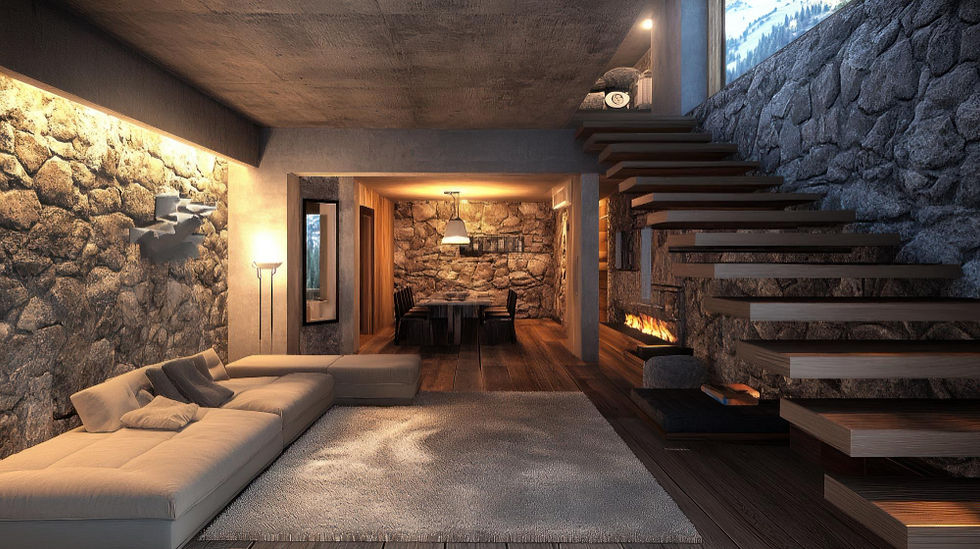
Luxury used to shine. Today, it feels quieter—more grounded in materials and texture, reflecting the future of design. Polished metals, glossy surfaces, and high-gloss finishes once defined prestige but now, the signal of status looks quieter — and heavier. It looks like stone.
Across architecture, hospitality, and retail, natural stone has become the material of choice for brands that want their spaces to feel timeless rather than trendy. Marble, travertine, limestone, and onyx are no longer just structural materials. They are design statements that communicate permanence, craft, and cultural depth.
From Decoration to Presence
What makes stone powerful in contemporary design is its physical presence. Unlike manufactured materials, no two slabs are identical. Veins, textures, and color variations create a visual language that feels authentic and grounded.
This individuality has become especially valuable in an age of mass production. When everything else can be replicated, natural materials signal rarity.
Architectural studios known for material-driven spaces, such as Studio MK27, often use stone not just for surfaces but as structural elements — walls, monolithic tables, and sculptural forms that define the entire atmosphere of a space.
The Rise of Tactile Luxury
There is also a sensory shift happening in design. Instead of visual excess, modern luxury is focusing on touch and texture.
Stone surfaces absorb light rather than reflect it. They feel cool to the hand. They age slowly and beautifully. This makes them ideal for environments that want to feel calm and enduring rather than flashy.
Design practices such as John Pawson have long embraced stone for this reason. In minimalist spaces, a single stone element — a bench, basin, or wall — can carry the entire emotional weight of a room.
Architecture That Ages Well
Another reason stone is becoming a status symbol is longevity. Modern luxury consumers are increasingly drawn to materials that last decades rather than seasons.
Stone communicates durability. A limestone wall or travertine floor suggests that a building was meant to exist long into the future. In a culture obsessed with speed and change, permanence itself has become aspirational.
Global architecture studios like Kengo Kuma & Associates often combine stone with natural light and wood to create spaces that feel connected to landscape and tradition.
Beyond the Home
The shift toward stone is especially visible in hospitality and retail design. High-end hotels, galleries, and concept stores now use large stone surfaces to create calm, gallery-like interiors.
The material acts almost like architecture’s version of couture fabric — rich, textured, and unmistakably premium. A stone reception desk or sculptural marble display table instantly elevates the perception of a space.
The New Language of Luxury
In the past, status was communicated through decoration. Today, it is communicated through material honesty.
Stone tells a simple story: the space values craftsmanship, durability, and authenticity. It is a quieter form of luxury — one that doesn’t need to sparkle to be noticed.
As architecture continues moving toward natural materials and sensory design, stone is no longer just part of the structure. It has become the signature.




Comments