
The Future of Design: How Spaces Are Evolving Across Physical, Digital, and Cultural Worlds

Updated: May 1
Part of the Future of Design series — exploring how spaces are evolving across physical, digital, and cultural worlds.

There was a time when design was about how something looked. Today, it’s about how something works, feels, and lives with you.
The chair is no longer just a chair. The store is no longer just a place to buy. The hotel is no longer just a place to stay. Across industries, design is undergoing a quiet but powerful transformation—one that moves beyond aesthetics into experience, behavior, and identity.
This is the future of design. And it is not confined to a single discipline. It exists across physical spaces, digital environments, and cultural shifts that are redefining how we interact with the world.
The Future of Design Is Experience, Not Aesthetics
For decades, design was judged visually. Clean lines, bold forms, and striking compositions defined what was considered “good design.” But today, visual appeal is only the starting point. What matters more is how a space performs over time. A well-designed environment now considers:
how people move through it
how long they stay
how it influences mood and behavior
how it adapts to different needs
This is why modern spaces feel less like static compositions and more like living systems. A retail store encourages exploration. A hotel invites you to linger. A workspace adapts to different rhythms of productivity.
Design is no longer about creating a moment. It’s about creating a journey.
From Physical to Phygital: Where Spaces No Longer End
One of the most defining shifts in the future of design is the collapse of boundaries between physical and digital environments. A brand is no longer experienced in a single location. It exists across physical stores, websites, apps, virtual environments and social platforms.
Brands like Nike and Gucci have already begun building immersive digital environments that extend their physical presence. The store doesn’t end at the door. It continues on your screen, in your feed, and increasingly, in virtual worlds. This has given rise to what designers call “phygital spaces”—hybrid environments where physical and digital experiences merge seamlessly.
In this world, design is no longer tied to materials alone. It includes interfaces, interactions, and even virtual architecture. Read more in the article “Virtual Flagships: How Brands Are Designing in the Metaverse”.

Designing for Emotion, Not Just Function
Functionality was once the primary goal of design. If something worked well, it was considered successful. But today, function is expected and emotion is what differentiates. Spaces are now designed to evoke specific feelings like calm in homes, inspiration and creativity in workspaces, desire in retail and comfort and belonging in hospitality.
This emotional layer is what turns a space into an experience. Take modern hospitality design for example, hotels are no longer neutral environments, they are carefully curated to make guests feel a certain way—from the scent in the lobby to the texture of the linens.
This is where design begins to overlap with psychology. Lighting, materials, acoustics, and layout all contribute to how a person feels within a space. The result? Spaces that are not just used—but remembered.
The Cultural Shift: Design as Identity
Design today is deeply personal. People no longer want spaces that look universally “good.” They want spaces that feel authentic to who they are.
This shift is being driven by a broader cultural movement toward individuality and self-expression. The rise of maximalism, curated interiors, and narrative-driven spaces all point to one idea: design is becoming a form of identity.
A home reflects personality, a workspace reflects values and a store reflects a brand’s worldview. This is why we are seeing the rise of spaces that feel layered, collected, and story-driven rather than minimal and uniform.
Read more in “The Rise of Story-Driven Spaces in Hospitality & Retail” to explore how narrative is shaping environments.
Material Matters: The Return of Texture, Depth, and Permanence
In a world dominated by screens, physical materials have taken on new importance. There is a growing desire for natural textures, tactile surfaces and materials that age gracefully.
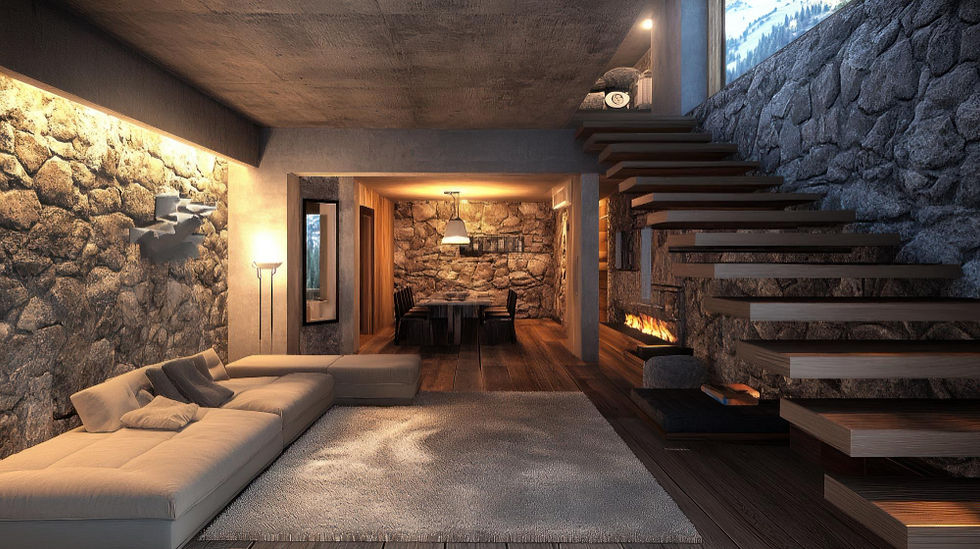
Stone, wood, linen, and clay are making a strong comeback—not just for their aesthetic value, but for their sensory and emotional qualities. These materials ground a space and create contrast in a digital-heavy world. They offer something that screens cannot: physical presence.
This is why modern luxury is shifting away from gloss and shine toward matte, textured, and imperfect finishes. Check out the article “Why the most modern luxury spaces are turning back to the earth” as a deeper exploration of material-led luxury.
Spaces That Adapt: Flexibility as a Design Principle
One of the biggest changes in how we live and work is unpredictability. People no longer follow fixed routines. Work happens from multiple locations. Homes double as offices and stores become event spaces. Design is responding by becoming more flexible.
Co-working environments are a perfect example. They are designed to accommodate different modes of work—focus, collaboration, social interaction—all within the same space. This flexibility is not just practical. It reflects a deeper shift in how people want to live: with freedom and adaptability.
Hospitality Everywhere: The Softening of All Spaces
One of the most interesting trends in the future of design is the influence of hospitality across different sectors. Retail stores feel like lounges, offices feel like living rooms and homes feel like boutique hotels. This blending of categories is redefining expectations.
People no longer accept cold, transactional environments. They expect spaces to be welcoming, comfortable, and thoughtfully designed—regardless of function. This is often referred to as the “hotelification” of design—where the warmth and service-oriented thinking of hospitality extends into all types of spaces.
Designing for Time, Not Just First Impressions
In the past, design was often optimized for immediate impact. A space needed to impress at first glance. Today, the focus is shifting toward how a space performs over time. This long-term thinking is becoming a key marker of good design.
It also aligns with sustainability. Durable materials, timeless aesthetics, and adaptable layouts reduce the need for constant redesign and consumption. The future of design is not about what looks good today. It’s about what still works tomorrow.
The Designer’s New Role
As design becomes more complex, the role of the designer is expanding. Designers are no longer just creators of objects or spaces. They must understand not just form and function, but also technology, psychology, and sociology. This multidisciplinary approach is what allows design to evolve alongside the world it serves.
The Future of Design Is Fluid
There is no single direction that defines the future of design. Instead, there are multiple forces shaping it simultaneously:
physical and digital convergence
emotional and experiential focus
cultural and personal expression
material and sensory richness
flexibility and adaptability
What connects all of these is a shift away from static thinking. Design is no longer fixed , rather it is fluid. It changes with context. It responds to people and evolves over time. And perhaps most importantly, it becomes less about objects—and more about life itself.
Final Thought
The future of design is not something we arrive at. It is something we continuously shape. Every space we enter, every environment we create, and every experience we design contributes to it. Because in the end, design is not just about the world we build. It is about how we choose to live in it.



Comments