
Why Michelin Tourism Is Growing


Travel was once planned around monuments, beaches, museums and landscapes. Increasingly, another attraction is influencing where people go: the restaurant reservation.
Travelers are crossing cities and countries to experience celebrated restaurants, regional cuisine and chefs whose cooking has earned international recognition. At the center of this movement is the Michelin Guide, whose famous stars have become some of the most recognizable symbols in global dining.
What began more than a century ago as a guide for motorists has evolved into a powerful influence on culinary travel. Today, a restaurant can give travelers a reason to visit an entirely new city, neighborhood or region.
When Dinner Becomes the Destination
Food has always been part of travel, but increasingly it is becoming the reason for the journey itself. A traveler visiting Paris might build an itinerary around a particular restaurant. Someone traveling through northern Spain may make a detour to San Sebastián for its celebrated dining scene. Trips to Tokyo, Copenhagen and Bangkok are increasingly planned around restaurants that travelers have followed online for months.
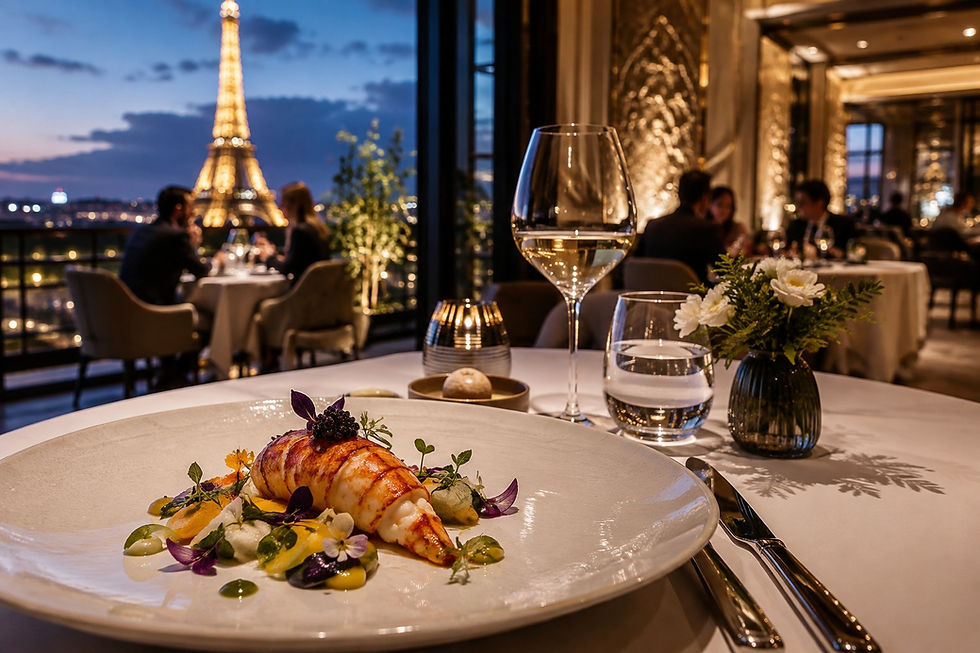
This has reversed the traditional relationship between restaurants and tourism. Travelers once chose a destination and then decided where to eat. Today, some secure the restaurant reservation first and organize the trip around it. For serious food travelers, dinner has become an attraction in its own right.
Michelin Was Created for Travelers
The connection between Michelin and tourism goes back to the beginning. The Michelin Guide was introduced in France in 1900 by brothers André and Édouard Michelin. Designed for motorists, it originally provided practical information about maps, mechanics, accommodation and places to eat.
Restaurants gradually became central to the guide, eventually leading to Michelin's famous star system. Even the traditional meaning behind those stars reflects travel: two stars indicate cooking worth a detour, while three stars represent exceptional cuisine worth a special journey. Long before the term "culinary tourism" became popular, Michelin was already encouraging people to travel for food.
Food Offers Another Way to Experience a Place
One reason culinary tourism has become so appealing is that food provides an immediate connection to a destination. Local cuisine reflects climate, agriculture, geography, migration and generations of tradition. A meal can therefore reveal something about a place that isn't always visible through landmarks alone.

Michelin-recognized restaurants increasingly embrace these regional connections. Fine dining today isn't limited to formal European restaurants or classical French cooking. Chefs around the world are exploring indigenous ingredients, traditional recipes and local techniques through contemporary menus. For travelers, dining becomes another way of understanding where they are.
Michelin Is Taking Travelers Beyond Famous Cities
Paris, London, Tokyo and New York remain major culinary destinations, but food tourism is also encouraging travelers to explore smaller places. San Sebastián has become internationally associated with exceptional dining despite being far smaller than Europe's major capitals. Restaurants across rural France, Italy, Spain and other regions attract visitors who might otherwise never have considered stopping there.

A restaurant can effectively place a small town on someone's itinerary. Once travelers arrive, they may discover local markets, wineries, architecture and landscapes beyond the dining room. Food becomes the reason to arrive, while the destination becomes the reason to stay.
Social Media Changed Culinary Travel
Social media has dramatically expanded the audience for fine dining. A beautifully presented dish can reach millions of people within hours. Chefs share glimpses from their kitchens, travelers document tasting menus and restaurants increasingly appear alongside hotels and landmarks in travel content.
Instagram, TikTok and other platforms have also made Michelin dining more visible to younger travelers. People can see the dining room, presentation and atmosphere long before they make a reservation. A restaurant hidden on a quiet street can now attract international attention without being located near a famous tourist attraction.
The Experience Is Bigger Than the Meal
Michelin tourism also reflects the growing popularity of experiential travel. Many travelers increasingly value memorable experiences as much as physical purchases. At ambitious restaurants, dinner can involve much more than food. Architecture, service, presentation, wine, storytelling and interaction with the surroundings can turn a meal into several hours of carefully designed experience.
Some restaurants deepen that connection by sourcing ingredients from nearby farms, fishing communities or their own gardens. Menus change with the seasons and dining rooms may overlook vineyards, mountains or coastlines. In these cases, the restaurant becomes inseparable from the destination.
Asia Is Expanding the Michelin Travel Map
The expansion of Michelin across Asia has added significantly to the rise of culinary tourism. Tokyo, Bangkok, Singapore, Seoul and Hong Kong have become major destinations for travelers interested in food. Their dining scenes demonstrate that Michelin recognition can exist across very different culinary traditions and settings.
A traveler might experience an elaborate tasting menu one evening and a far more informal local restaurant the next. Michelin's Bib Gourmand selections have also helped draw attention to establishments offering notable food at more accessible prices. This diversity has made culinary travel broader than the traditional image of luxury fine dining.
Reservations Are Becoming Part of the Itinerary
As destination dining grows, restaurant reservations are becoming an increasingly important part of travel planning. Tables at highly sought-after restaurants can disappear weeks or months ahead. Some travelers now monitor booking windows before confirming flights or hotels, particularly when a specific restaurant is central to the trip.
The idea may seem unusual to someone who considers restaurants a secondary part of travel. But for food enthusiasts, securing a difficult reservation is comparable to getting tickets for a major concert, sporting event or exhibition. The experience itself is what they have traveled to see.
Travel Is Becoming Something We Taste
Michelin tourism represents a broader change in the way people experience destinations. Modern travelers increasingly want more than famous landmarks. They want experiences that reveal the culture, ingredients and everyday character of a place—and food offers one of the most immediate ways to find them.
A remarkable restaurant can lead someone into a neighborhood, town or region they might never otherwise have explored. The meal may last only a few hours, but it can become one of the strongest memories of the entire journey.
For a growing number of travelers, the perfect itinerary still includes beautiful hotels, architecture and landscapes. But increasingly, it also begins with a reservation.


Comments