
The Rise of ‘Everyday Dressing’ Over Occasion Wear
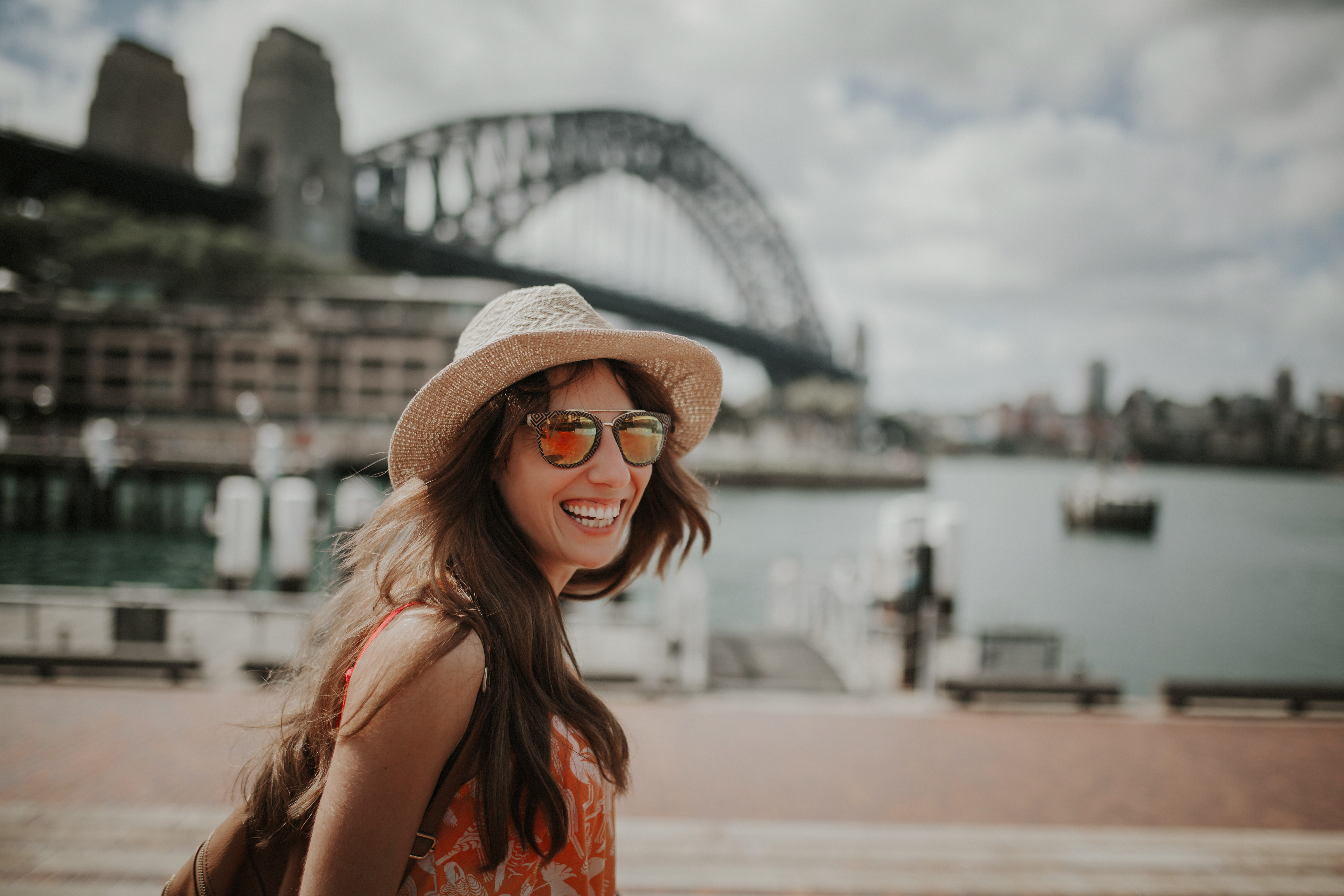

Fashion has always understood the importance of a special occasion. Weddings, parties, formal dinners and celebrations have traditionally offered reasons to buy something new, wear something extravagant and step outside the boundaries of everyday style. But a quieter shift is taking place in wardrobes around the world. Increasingly, people are investing in clothes they can wear repeatedly, combine easily and feel comfortable in throughout ordinary life.
This does not mean dressing up has lost its appeal. Rather, the distinction between everyday clothing and occasion wear is becoming less rigid. A tailored jacket can move from a workday to dinner. A well-cut dress can be styled with trainers during the day and elevated with jewelry in the evening. Even traditionally formal pieces are finding new life in more relaxed settings.
The result is a different way of thinking about fashion. Instead of building a wardrobe around a handful of memorable events, consumers are paying greater attention to the hundreds of ordinary moments that make up their lives. Everyday dressing is no longer simply about convenience. It is becoming a statement about personal style, spending habits and what people expect their clothes to do for them.
Everyday Dressing Is Changing What People Value in Fashion
For years, occasion wear occupied a special place in fashion because it offered transformation. A celebration justified a new outfit, a dramatic silhouette or an accessory that might otherwise remain unworn. These purchases were often connected to the idea that certain moments deserved entirely different versions of ourselves.
Everyday dressing approaches clothing from another direction. It asks whether a piece can earn its place in a wardrobe beyond a single appearance. The emphasis falls on versatility, comfort, fit and the ability to work with clothes someone already owns. A beautifully constructed shirt, a pair of relaxed tailored trousers or a versatile dress can become more valuable than a striking outfit that is difficult to wear more than once.

This change also reflects a more personal understanding of style. Looking well dressed no longer has to mean looking as though an occasion has been carefully staged. Sometimes it means finding the right proportions, choosing a fabric that falls well or wearing familiar pieces in a way that feels distinctive. The intention is still there, but it is expressed through everyday decisions rather than exceptional purchases.
For fashion brands, this creates a different challenge. Products need to appeal in the moment of discovery, but they must also make sense in a customer's actual life. Clothing that looks compelling in a campaign yet feels impractical when worn may struggle to justify its price. Pieces that become reliable favourites, on the other hand, can build lasting relationships between consumers and brands.
The Boundaries Between Workwear, Casualwear and Occasion Wear Are Blurring
The way people work, socialize and spend their free time has changed the expectations placed on clothing. For many, the traditional division between office attire, weekend clothes and evening outfits no longer reflects the reality of the day. A single schedule might involve a video meeting, a café visit, errands and dinner with friends. Changing completely for each activity is neither practical nor particularly appealing.
This is where versatile dressing becomes important. Soft tailoring, elevated knitwear, wide-leg trousers, structured outerwear and understated dresses can adapt to different environments with relatively small changes. A blazer worn over a simple T-shirt feels relaxed; the same blazer paired with a crisp shirt and polished shoes can feel considerably more formal. The clothing itself does not need to change dramatically for the overall impression to shift.

The same idea is influencing how people approach evening dressing. Rather than reserving embellished tops, satin skirts or statement jewelry for major events, wearers are finding ways to incorporate them into ordinary outfits. A special piece can be balanced with denim, flat shoes or a simple knit, making it feel less ceremonial and more personal.
This does not mean every item must work everywhere. Some garments are designed for particular settings, and there is still pleasure in wearing something reserved for a celebration. The difference is that wardrobes increasingly allow pieces to cross categories. Everyday and occasion wear are becoming points along a spectrum rather than entirely separate worlds.
Comfort Has Become Part of Looking Well Dressed
Comfort was once treated as a compromise in fashion: something to prioritize when appearance mattered less. Everyday dressing challenges that assumption. People increasingly expect clothes to move with them, feel good against the skin and remain appropriate across changing activities without sacrificing visual appeal.
The evolution of knitwear, relaxed tailoring, refined sportswear and contemporary footwear illustrates this expectation. Elasticated waists can sit beneath beautifully cut trousers. Lightweight technical fabrics can appear in polished silhouettes. Trainers can complement tailored clothing rather than automatically making an outfit feel informal. The most successful combinations bring together practical construction and considered design.

Comfort, however, is not simply about soft fabrics or loose shapes. Fit matters just as much. A garment that sits correctly on the shoulders, falls cleanly through the leg or allows natural movement can feel more comfortable than an oversized piece chosen without attention to proportion. Fabric weight, breathability, lining and construction all influence whether something becomes a genuine wardrobe favourite.
This is also why everyday dressing should not be confused with dressing down. A relaxed outfit can still be precise, elegant and expressive. Its sophistication often comes from small decisions: the relationship between a jacket and a trouser, the contrast of textures, the quality of a basic T-shirt or the way accessories bring an otherwise simple look together.
When comfort and appearance work in harmony, getting dressed becomes less about tolerating an outfit for a few hours and more about choosing clothes that support the way someone wants to live.
Social Media and Changing Shopping Habits Are Reinforcing the Shift
Fashion discovery has traditionally placed considerable emphasis on the new: the latest collection, the event-ready look or the piece that creates an immediate visual impact. Digital platforms continue to reward novelty, but they have also made everyday styling more visible. Outfit videos, wardrobe edits, repeat-wear challenges and styling demonstrations show how a single garment can work across multiple looks.
This changes the way clothing can be evaluated before purchase. Instead of seeing a jacket only as part of one carefully styled photograph, shoppers can see how it works with jeans, dresses, skirts or different footwear. A product's versatility becomes part of its appeal. The question is no longer just whether it looks good, but how many ways it can be worn.
Shopping habits are changing alongside this visual culture. Rising living costs and greater attention to spending can encourage consumers to think more carefully about cost per wear, although priorities differ by age, income and lifestyle. Buying fewer pieces is not automatically the outcome, but purchases increasingly need a clearer reason to exist. A garment that integrates easily into an existing wardrobe can feel like a safer investment than one that requires several additional purchases to make it work.

There is also a growing opportunity for brands to communicate value beyond the launch moment. Styling guidance, outfit combinations, care advice and demonstrations of repeat wear can help customers understand a product's longer-term usefulness. For retailers, the wardrobe becomes as important as the individual item.
Yet there is a contradiction here. Social media can encourage more thoughtful styling, but its constant stream of newness can also fuel overconsumption. Everyday dressing becomes meaningful when versatility leads to more considered use of clothing—not when it becomes another trend requiring an entirely new wardrobe.
The Future of Fashion Belongs to Clothes That Earn Their Place
The rise of everyday dressing does not signal the end of glamour, celebration or fashion's capacity for transformation. Special occasions will continue to inspire distinctive clothing, and there will always be moments when people want to dress beyond their usual routines. What is changing is the expectation that a wardrobe should serve only those moments.
For designers, this opens up a broader creative space. The challenge is to make practical pieces feel desirable without reducing fashion to basic essentials. A versatile garment still needs character: an interesting cut, a thoughtful detail, an unexpected colour or a fabric that changes how it feels to wear. Functionality alone rarely creates emotional attachment. The strongest everyday pieces combine usefulness with a clear point of view.
For consumers, the shift offers a different measure of a successful wardrobe. Rather than judging clothing by how striking it looks on arrival, they can consider how often they reach for it, how easily it works with other pieces and whether it continues to feel relevant after the initial excitement fades.
Perhaps the most important change is that everyday dressing gives ordinary life greater significance. A workday, a walk through the city, a spontaneous dinner or a quiet weekend no longer needs to be treated as a pause between occasions worth dressing for. Each becomes an opportunity to express personal style.
Fashion does not become less interesting when it becomes more wearable. It becomes more closely connected to the person wearing it. And in a world where the boundaries between work, leisure and social life continue to shift, the clothes that matter most may be those that make everyday life feel a little more considered.
Modely Tips: How to Master Everyday Dressing
For a casual day out: Pair straight-leg jeans with a fitted white T-shirt, clean trainers and a lightweight overshirt. Add a crossbody bag and sunglasses for a look that feels effortless without appearing unfinished.
For work or a smart-casual setting: Try tailored trousers with a fine-knit top or crisp shirt. A relaxed blazer adds structure, while loafers, ballet flats or minimal leather sneakers keep the outfit comfortable. Choose a belt and a structured bag to bring everything together.
For an easy, feminine look: Wear a midi dress with flat sandals, ballet flats or low-profile trainers. On cooler days, layer with a cropped cardigan or denim jacket. A pair of small hoops and a simple pendant can add polish without making the outfit feel overdressed.
For evenings that begin casually: Combine dark denim with a satin blouse, a fitted top or a softly structured jacket. Switch daytime trainers for ankle boots, heels or elegant flats, then add statement earrings or a bold necklace. A few small changes can make the same outfit feel ready for dinner.
For comfortable, modern dressing: Build around elevated basics such as wide-leg trousers, quality T-shirts, relaxed knitwear and versatile outerwear. Mix fitted and loose silhouettes—for example, a more fitted top with voluminous trousers—to create balance. Choose breathable fabrics and colours that work together, so individual pieces are easy to rewear.
The Modely rule: Start with the occasion, consider how you want to feel, and then build around one strong piece. It could be a great jacket, beautifully cut trousers, an interesting shoe or a favourite accessory. Everyday dressing works best when comfort and personal style meet—not when an outfit looks as though it took all morning to put together.


Comments