
The Evolution of Lifestyle Brands: From Aesthetics to Systems

Updated: Apr 26
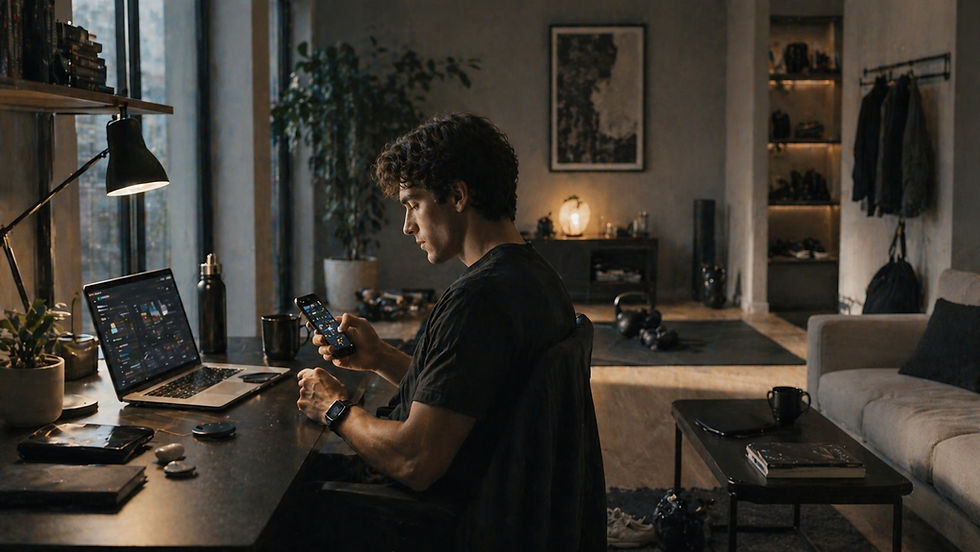
For decades, lifestyle brands were built on aesthetics, aspiration, and identity. They sold a feeling—whether it was luxury, performance, or belonging. But today, that definition is being quietly rewritten.
Lifestyle brands are no longer just curating experiences. They are building systems. Increasingly, those systems are powered by technology.
From fitness to fashion to beauty, the most forward-thinking brands are not just designing products—they are integrating software, data, and digital ecosystems into everything they do. The result is a new kind of company: one that looks like a lifestyle brand on the surface but operates like a tech company underneath.
From Products to Platforms
The shift begins with a simple but powerful transition: from selling products to building platforms. Take Nike for example. What was once a brand built purely on footwear and apparel has evolved into a digital ecosystem with apps, training programs, and personalized experiences. Similarly, Lululemon has expanded into connected fitness, blending apparel with digital engagement.
In this model, the product is no longer the end point—it’s the entry point. The real value lies in what happens after the purchase: the data collected, the engagement built, and the relationship sustained over time.
Data Is the New Design Language
Traditionally, design decisions in lifestyle brands were driven by intuition, culture, and trend forecasting. Today, data is becoming just as important as taste. Brands now have access to customer behavior insights, usage patterns and real-time feedback loops.
This allows them to refine not just products, but entire experiences. Companies like Apple have long demonstrated how data and design can work together seamlessly. Lifestyle brands are now adopting a similar approach—using data not to replace creativity, but to sharpen it.
The result is a more responsive, adaptive form of design—one that evolves continuously rather than seasonally.
The Rise of Connected Experiences
The modern consumer doesn’t interact with brands in a single moment—they move across platforms, devices, and environments. Lifestyle brands are adapting by creating connected experiences.
Fitness is a clear example. What started as apparel has expanded into ecosystems that include wearables, apps, subscriptions, and community platforms. The goal is not just to sell a product, but to become part of the user’s daily routine.
This is where the line between lifestyle and technology begins to blur. The brand is no longer just something you wear or use—it’s something you interact with, repeatedly, across contexts.
Subscription, Community, and Recurring Relationships
One of the defining traits of tech companies is recurring revenue—and lifestyle brands are moving in the same direction. Subscriptions, memberships, and digital communities are becoming central to brand strategy.
Instead of one-time transactions, brands are building ongoing relationships. This shift is visible across industries:
Fitness platforms offering monthly programs
Beauty brands creating personalized subscription boxes
Fashion brands experimenting with membership models
The logic is clear. A customer who engages continuously is far more valuable than one who purchases occasionally. Technology enables this continuity.
Brand Becomes Interface
As technology integrates deeper into lifestyle brands, something interesting happens: the brand itself starts to function like an interface. It’s no longer just about logos or campaigns. It’s about how seamlessly a user moves through discovery, purchase, usage, and re-engagement.
Companies like Tesla have already demonstrated this in mobility—where the product, software, and brand experience are tightly integrated. Lifestyle brands are now adopting a similar philosophy. The strongest brands are those that reduce friction, anticipate needs, and create intuitive interactions—just like great software.
The Bigger Shift: Lifestyle as a System
What we’re witnessing is not just a trend—it’s a structural shift in how lifestyle brands operate. They are no longer defined solely by what they sell, but by the systems they build:
Systems of engagement
Systems of data
Systems of experience
Technology is the enabler, but the strategy is deeper. It’s about creating end-to-end control over the consumer journey. In the future, the most valuable lifestyle brands won’t just be known for their aesthetics or storytelling. They will be known for how seamlessly they integrate into everyday life. Because ultimately, the goal is no longer just to be worn, used, or consumed. It is to be lived with.
Conclusion: Embracing the Future of Lifestyle Brands
As we look ahead, the evolution of lifestyle brands is clear. They are transforming from mere purveyors of products to complex ecosystems that enhance our daily lives. This shift requires a deep understanding of technology, consumer behavior, and design.
The integration of data and technology into lifestyle branding is not just a trend; it's a necessity. Brands must adapt to remain relevant in a rapidly changing landscape. By embracing these changes, they can create meaningful connections with consumers and foster long-lasting relationships.
The future of lifestyle brands lies in their ability to innovate and integrate. As they continue to evolve, we can expect to see even more exciting developments that will redefine our understanding of what a lifestyle brand can be.
In this new era, the phrase "lifestyle brands" will encompass much more than aesthetics. It will reflect a holistic approach to living, where brands become integral parts of our lives.



Comments