
Why Brand Values Are Part of Lifestyle Choices

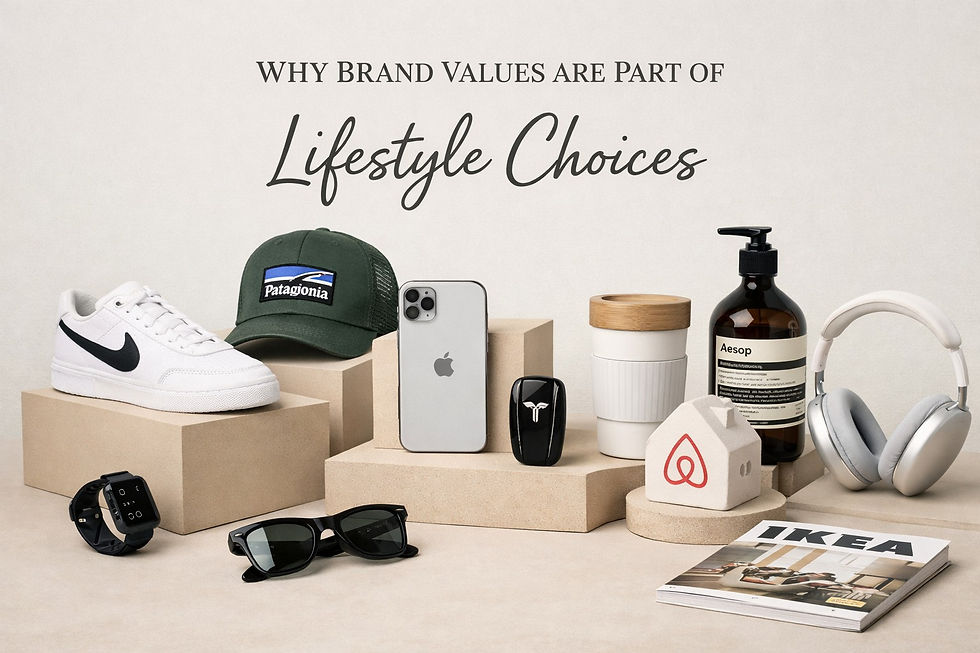
Lifestyle today is no longer defined by what people own, but by what they stand for. In an era where choices are constant and visibility is unavoidable; brand values have quietly moved from marketing statements to personal filters. What we wear, eat, use, and support increasingly reflects how we see ourselves—and how we want to live.
This is why brands are no longer just providers of products. They are cultural participants. Choosing a brand has become a lifestyle decision rooted in belief systems, identity, and emotional alignment.
From Utility to Alignment
Historically, consumers chose brands for functionality, price, or availability. Today, those factors are assumed. The real differentiator lies in why a brand exists.
People now ask:
Does this brand respect the environment?
Does it value craftsmanship or speed?
Does it stand for individuality or mass appeal?
Does it align with how I want to live?
This psychological shift is known as values-based consumption, where buying decisions reflect moral, cultural, or personal beliefs rather than pure utility.
Brands as Identity Shortcuts
Brand values act as identity shortcuts. Wearing, using, or supporting a brand allows consumers to communicate who they are—often without saying a word.
For example:
These brands don’t just sell products; they sell worldviews.
As branding expert Marty Neumeier once said, “People don’t buy brands. They join them.”
Lifestyle Is Now a Series of Brand Decisions
Modern lifestyle is built through everyday choices. The coffee you drink, the app you use, the sneakers you wear, the hotel you book—each reflects a micro-decision rooted in values.
Consider:
These brands fit into lifestyles because they validate personal narratives.
Why Consumers Reject Brands That Feel Inauthentic
The same psychology works in reverse. When brand actions conflict with stated values, consumers disengage quickly. Today’s audiences are hyper-aware, research-driven, and socially connected.
This is why performative branding fails. Values must be lived, not announced. Psychologically, inconsistency creates discomfort—what behavioral scientists call cognitive dissonance.
When consumers sense that discomfort, trust erodes.
Use Case: Fashion and Quiet Confidence
In fashion, lifestyle alignment is especially visible. Many consumers are moving away from loud branding toward understated design, timeless silhouettes, and brands that emphasize longevity. This reflects a deeper lifestyle shift: choosing calm over chaos, intention over impulse. Clothing becomes part of how people structure their daily lives—not how they seek attention.
Here, brand values such as minimalism, durability, and thoughtful design carry more weight than trend cycles.
Values Create Long-Term Loyalty, Not Virality
Brands built on values grow slower—but last longer. Consumers who align with a brand’s philosophy don’t just purchase; they return, recommend, and defend. This is why modern lifestyle brands invest heavily in storytelling, transparency, and consistency. Values become the invisible thread connecting product, communication, and community.
In lifestyle branding, loyalty isn’t transactional. It’s emotional.
The Future of Lifestyle Is Selective, Not Excessive
As consumers simplify their lives, they become more selective about the brands they allow into it. Fewer brands. Stronger connections.
Brand values will continue to shape lifestyle choices—not because people want to be seen as ethical or aspirational, but because they want coherence between who they are and what they support. In a crowded world, alignment is the new luxury.


Comments