
When Convenience Becomes a Lifestyle Standard

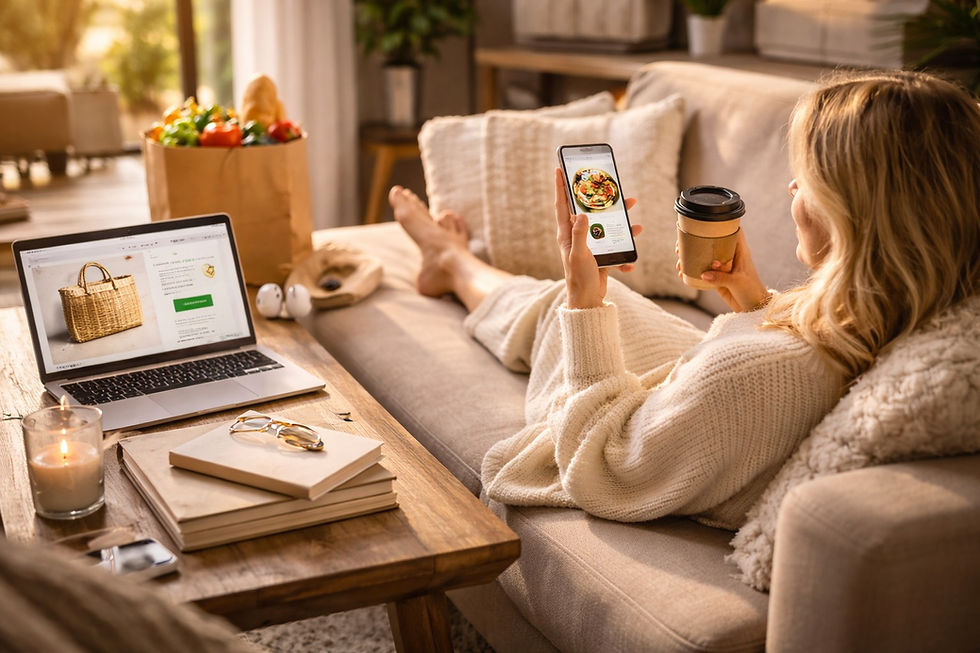
Convenience used to be a perk. Today, it’s a baseline. From the way we shop and eat to how we travel, work, and relax, modern life is increasingly designed around ease. What’s changed isn’t just technology—it’s expectation. Convenience has quietly become a lifestyle standard, shaping not only consumer behavior but the rhythm of everyday living.
The rise of platforms like Amazon normalized immediacy long before same-day delivery became common. One-click purchasing didn’t just save time; it rewired patience. Waiting now feels inefficient, even unnecessary. This shift extends beyond retail into food, mobility, and entertainment, where apps like Uber, DoorDash, and Netflix have turned instant access into a cultural norm rather than a luxury.
What’s striking is how seamlessly convenience has blended into identity. Ordering groceries via Instacart or booking a stay through Airbnb isn’t framed as indulgence—it’s framed as smart living. Convenience now signals efficiency, self-awareness, and modernity. In many ways, it has replaced effort as a marker of competence. Doing less, faster, and better has become aspirational.
This evolution has reshaped how people value time. Services like Google Maps optimize routes, while Apple Pay and PayPal remove friction from transactions. The cumulative effect is subtle but profound: fewer pauses, fewer decisions, fewer obstacles. Life feels smoother—but also more compressed. When everything is designed to be effortless, moments of friction start to feel intrusive rather than human.
Travel offers one of the clearest examples of this shift. Booking platforms like Booking.com and Expedia have streamlined planning to the point where spontaneity feels curated. Algorithms suggest where to stay, what to see, and when to go, reducing uncertainty while quietly influencing choice. The result is travel that fits neatly into lifestyle frameworks—predictable, optimized, and comfortably familiar, even in unfamiliar places.
Yet convenience isn’t neutral. As it becomes a standard, it also becomes invisible. Consumers rarely notice it until it’s missing. Delays feel personal. Manual processes feel outdated. This is why brands that remove friction tend to earn loyalty faster than those that simply offer better products. Ease has become emotional. It reduces stress, signals care, and creates trust—qualities traditionally associated with relationships, not services.
At the same time, a quiet tension is emerging. As convenience accelerates life, some consumers are beginning to crave moments that resist optimization—slow meals, offline weekends, deliberate choices. The desire isn’t to abandon convenience, but to rebalance it. To choose ease where it supports life, and friction where it adds meaning. This push and pull is shaping the next phase of lifestyle culture, where convenience is expected—but intentionality is admired.
When convenience becomes a lifestyle standard, it stops being impressive and starts being essential. The brands and platforms that thrive in this landscape won’t just make life easier; they’ll understand when to step back. Because in a world designed for speed, the most refined luxury may be knowing when to slow down.


Comments