
The Rise of Athletic Aesthetics: How Performance Became the New Beauty Standard
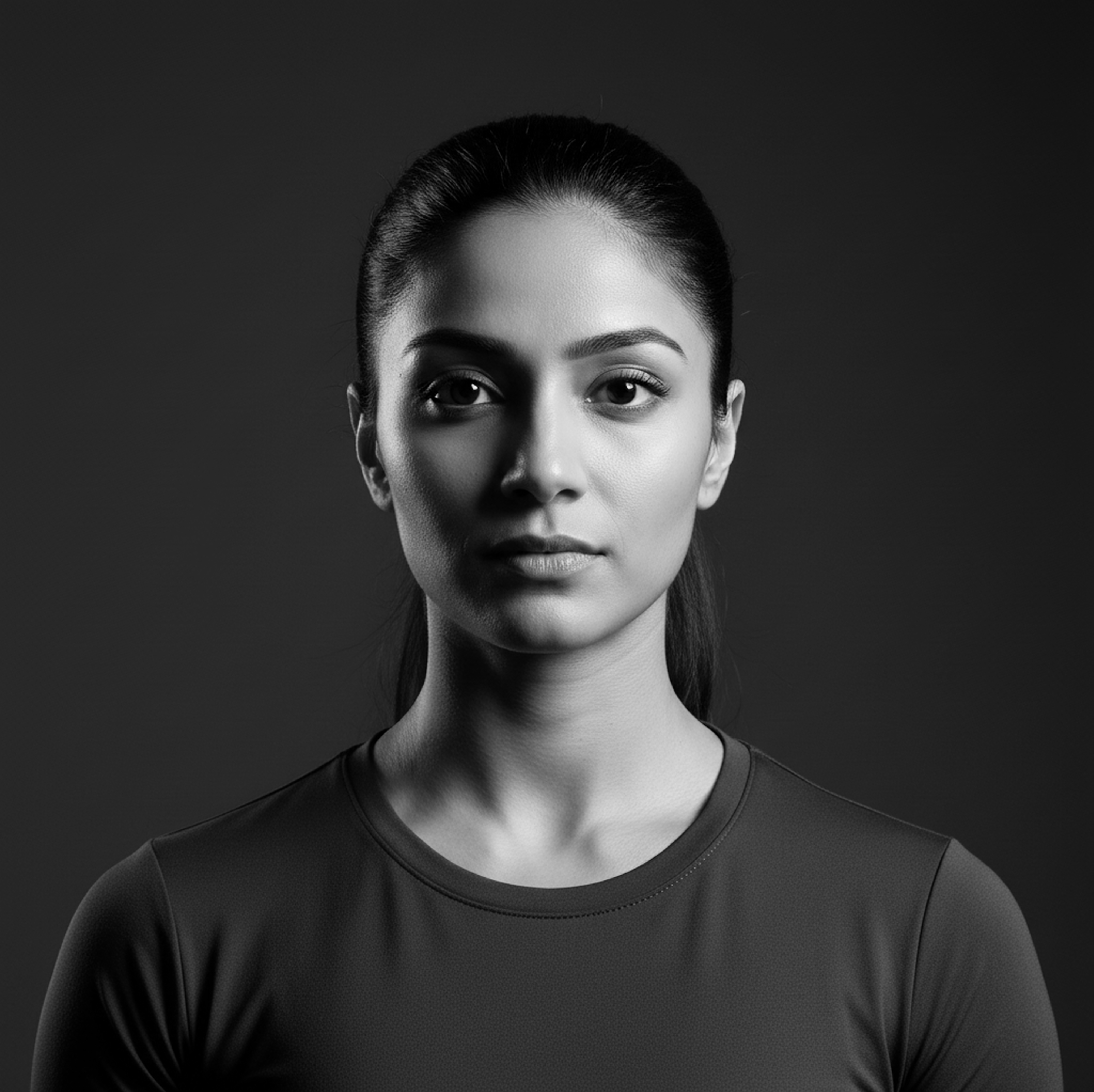

There was a time when beauty leaned toward fragility — narrow frames, softened presence, effort concealed behind effortlessness. Today, the cultural posture has changed. Shoulders are squared. Movement is intentional. Strength is visible.
The modern ideal is no longer passive. It is capable.
Across fashion campaigns, social platforms, and global wellness culture, performance has evolved from function to aesthetic. The athletic body is no longer confined to sport. It has become visual language.
From Thinness to Strength
For decades, fashion’s dominant silhouette favored delicacy. But in the aftermath of global uncertainty and health awareness, vitality became aspirational.
Search interest in strength training, marathon running, Pilates studios, and functional fitness has steadily increased worldwide. Platforms like Strava have reported record global participation in running communities, reflecting a cultural shift toward endurance and shared movement.
Brands such as Nike and Adidas have subtly reframed performance wear — no longer just equipment, but identity. Muscle is no longer excessive; it is evidence. Posture is no longer incidental; it is trained.
Strength now signals discipline. Endurance signals resilience. And resilience is attractive.
The Athlete as Cultural Muse
The fashion muse has evolved.
Athletes now appear in luxury campaigns, not as novelty casting, but as representation of modern ambition. Tailoring accommodates broader shoulders. Editorial spreads celebrate mobility rather than stillness.
Even the rise of brands like Lululemon reflects a broader narrative: performance apparel has moved beyond the studio into everyday uniform. Athleisure is not casual — it is coded with intention.
The message is subtle but powerful: the body is not an ornament. It is an instrument.
Data, Discipline, and the New Beauty Metrics
Technology has amplified this shift.
Wearables such as WHOOP and Oura Ring transformed recovery metrics into visible lifestyle indicators. Sleep scores, heart rate variability, VO₂ max — once clinical numbers — now circulate within wellness culture as markers of optimization.
Performance is no longer private. It is measurable.
According to the Global Wellness Institute, the wellness economy continues to expand globally, reflecting how deeply health and longevity have integrated into modern aspiration. But unlike traditional luxury, wellness status is not displayed through logos.
It is displayed through vitality.
Clear skin from recovery. Energy from routine. Strength from consistency.
The Hybrid Ideal
Today’s aesthetic is not extreme specialization. It is hybridization.
Pilates for alignment. Strength training for density. Running for endurance. Breathwork for regulation.
The modern body is curated across disciplines — not for medals, but for balance. This hybrid identity mirrors a broader cultural recalibration: capability over decoration, structure over chaos.
In a digital world saturated with filtered perfection, physical effort feels honest.
Capability as the New Standard
The rise of athletic aesthetics is not about size. It is about signal.
It signals time invested. It signals routine maintained. It signals self-respect.
The new beauty standard does not pretend to be effortless. It acknowledges effort — and frames it as elegance. And in 2026, capability may be the most compelling aesthetic of all.


Comments