
The Quiet End of Browsing: How AI Is Changing the Way We Discover Products

Updated: Apr 4
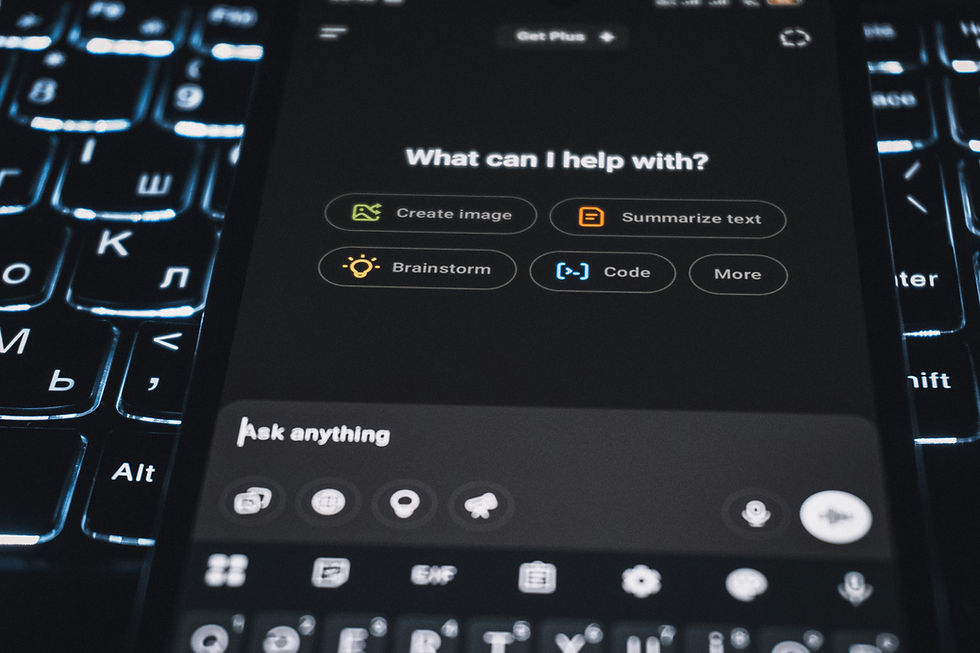
For most of the internet’s history, shopping online followed a familiar pattern. You opened a website, clicked through categories, compared a few products and eventually, you made a decision. This behavior — browsing — shaped the entire structure of e-commerce. Websites were designed like digital malls with menus, filters, product grids, and endless pages to explore.
But something fundamental is changing. A growing number of consumers are no longer browsing at all. Instead, they are asking, searching, and receiving direct answers.
The rise of AI assistants, smarter search engines, and conversational commerce is quietly bringing us closer to the end of browsing as we know it.
The Shift from Exploration to Direct Answers
Browsing was built for a slower internet. Consumers explored products step by step because finding the right item required manual discovery.
Today, digital platforms are increasingly optimized to deliver instant recommendations instead of long product journeys. A user no longer needs to navigate dozens of pages to find a laptop, skincare product, or running shoe. Instead, they can ask a question like:
“What’s the best laptop for video editing under $1500?”
“Which running shoes are best for beginners?”
“What are the most comfortable office chairs?”
Search engines like Google are increasingly designed to summarize answers directly, reducing the need for people to explore multiple websites. In many cases, the discovery journey is shrinking from dozens of clicks to a single answer.
AI Is Becoming the New Shopping Assistant
Another force accelerating this shift is the rise of AI-driven recommendation systems. Consumers are beginning to treat technology not just as a tool for navigation, but as a personal advisor. Instead of browsing categories, people are asking:
“What should I buy?”
“What’s the best option for me?”
“Which brands are trusted?”
Large digital marketplaces like Amazon have already spent years refining recommendation engines that predict what customers want before they even start browsing. Now, generative AI systems and conversational search are expanding that idea even further. The result is a new kind of digital commerce where answers replace exploration.
Why E-Commerce Sites May Need to Rethink Their Design
If browsing becomes less important, many traditional e-commerce design strategies may lose relevance. For years, online stores focused on optimizing:
Category navigation
Product filters
Large product grids
Endless catalog browsing
But in an AI-driven discovery environment, information clarity becomes more important than navigation depth. The brands that perform best will be those that provide:
Clear product data
Structured information
Helpful content
Trust signals
Instead of designing for wandering visitors, businesses may increasingly design for machines that interpret and recommend products.
The Rise of “Answer-Optimized Commerce”
Just as search engine optimization shaped the internet in the past, a new discipline is quietly emerging. You could call it 'Answer Optimization'.
Brands that want to remain visible in the future must ensure that AI systems and search engines can easily understand:
What the product does
Who it is for
Why it is better than alternatives
In other words, brands must make their products easy for algorithms to recommend. The winners in this environment will not necessarily be the brands with the biggest catalogs, but the ones with the clearest digital signals.
What This Means for Retail Strategy
The shift away from browsing will have profound implications for how brands think about marketing and commerce. Instead of focusing only on website traffic, businesses will increasingly compete to become the recommended answer in digital conversations. This requires a different approach to digital strategy:
• Content that explains products clearly
• Structured product data
• Editorial authority in specific niches
• Strong brand trust signals across the internet
In this new environment, visibility in answers may matter more than visibility in search results.
Browsing Won’t Disappear — But Its Role Is Changing
Browsing will not vanish entirely. People will always enjoy exploring products, discovering inspiration, and comparing options. But its role is evolving. Browsing may increasingly become a lifestyle activity, while actual purchase decisions move toward AI-guided recommendations and direct answers.
In many cases, the consumer journey will start with a simple question and end with a single suggestion. This shift signals something larger than just technology—it reflects a behavioral evolution in how we discover and decide, a theme explored in The Future of Commerce Isn’t Online or Offline — It’s Something We Are Only Beginning to Notice.
The Future of Discovery
The internet was once built for exploration. Today, it is increasingly built for precision. As AI continues to reshape how information is delivered, the brands that succeed will be those that understand a simple but powerful shift: Consumers no longer want to search through endless options. They want the right answer. And the companies that become that answer may define the future of e-commerce.


Comments